Some communities left behind a few relics. Fresno Flats left behind its entire story.
The Fresno Flats Museum is housed in the beautifully renovated 1874 Fresno Flats one-room schoolhouse. Made possible by a generous grant from the California Natural Resources Agency, the museum tells the full story of this place and its people beginning with those who were here first.
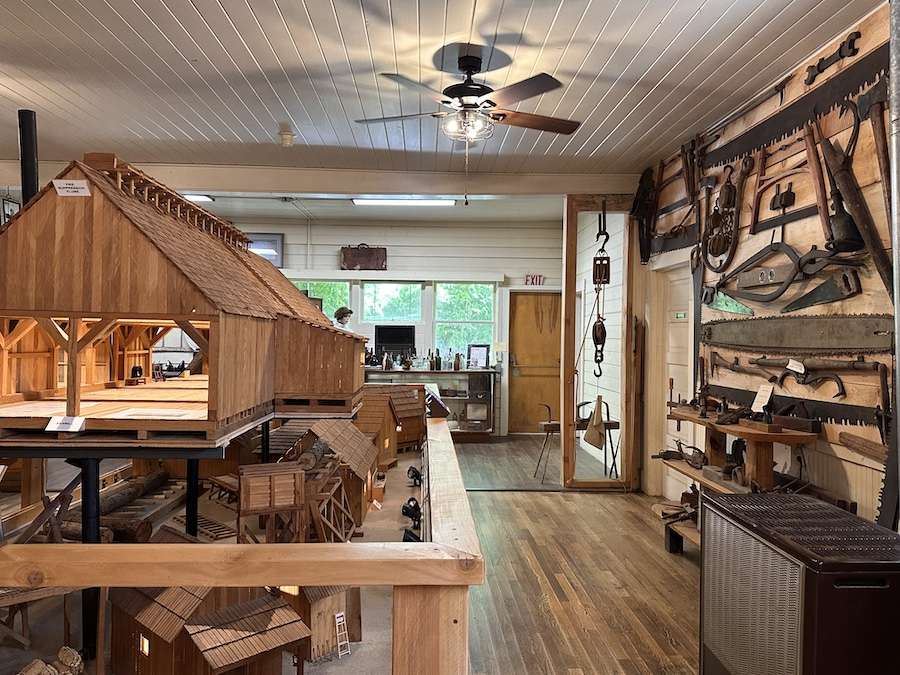
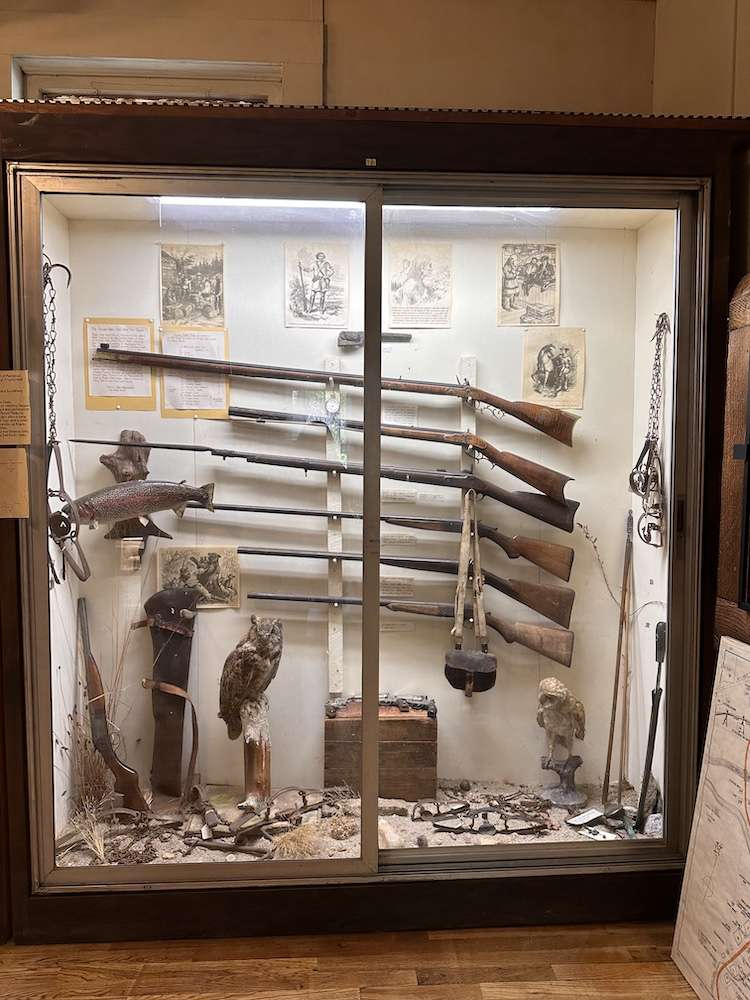
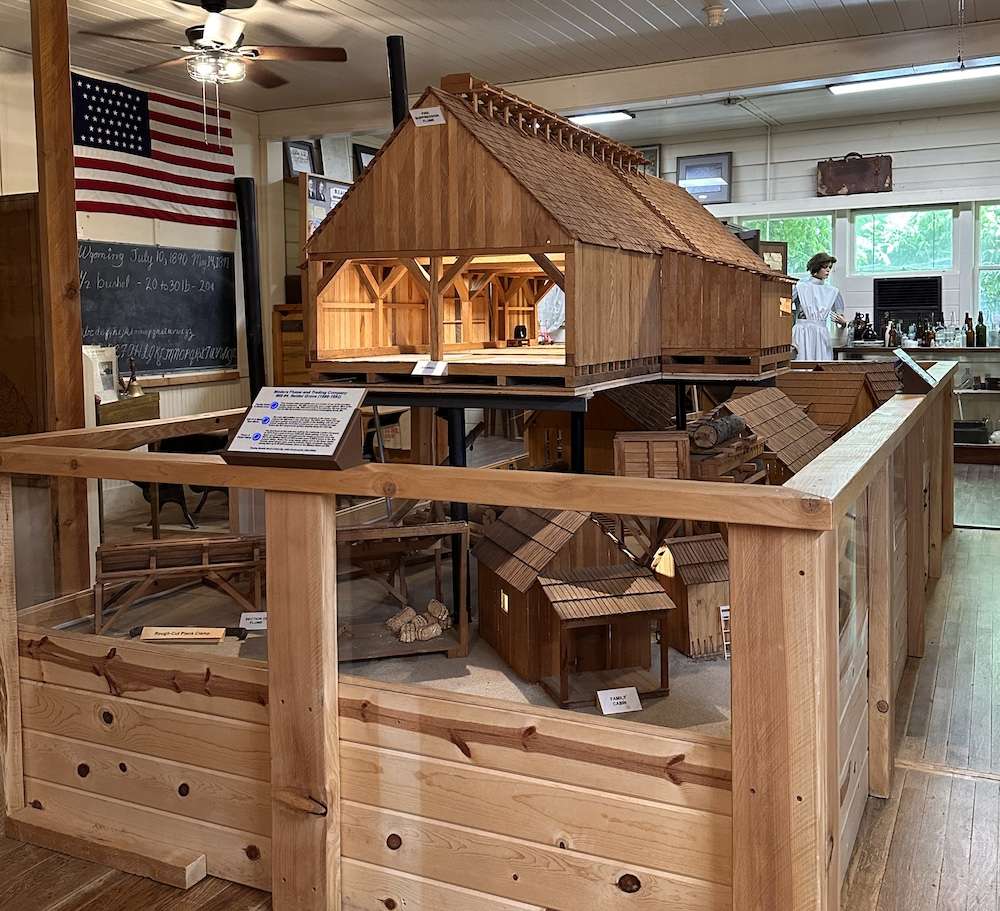
The exhibits open with a tribute to the Indigenous peoples of the Sierra foothills, who have called this land home for thousands of years and remain a vital presence in our community today. A replica of a traditional roundhouse invites visitors to imagine the world that existed here long before settlers arrived. The story then unfolds through the era of trappers and fur traders, the gold rush, and the timber trade, brought to life through an interactive replica lumber mill.
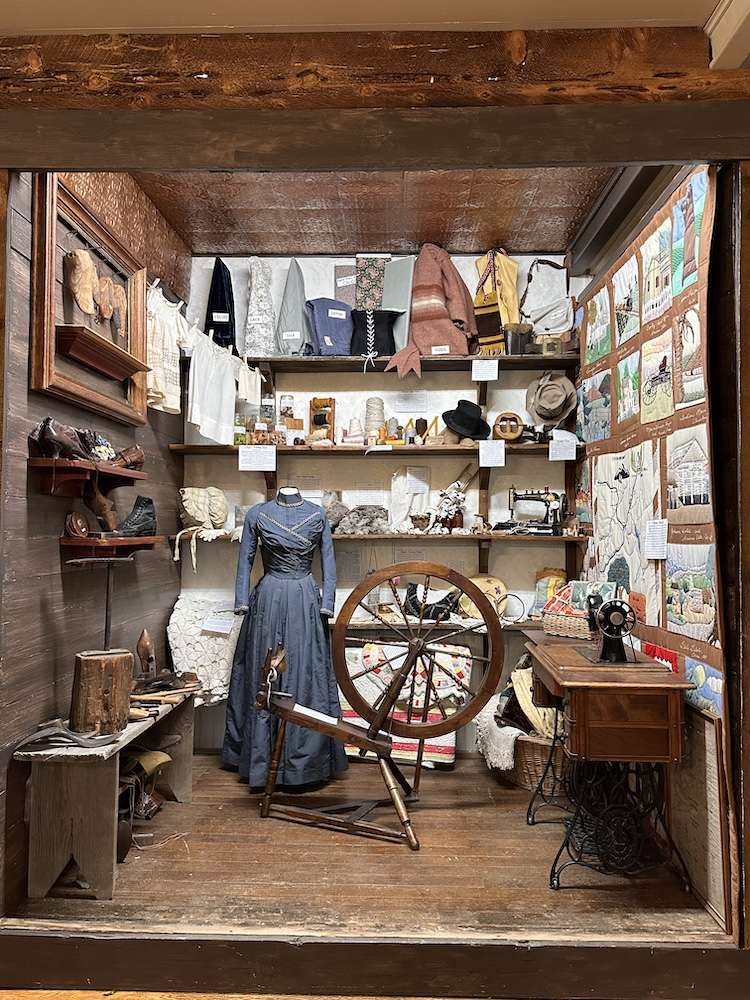
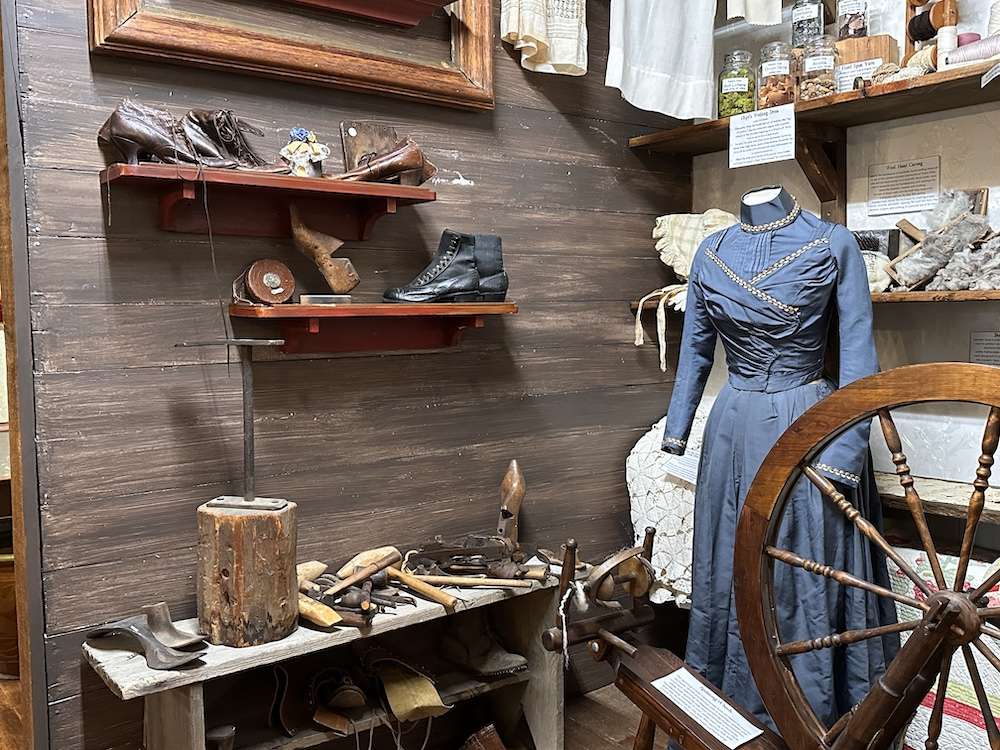
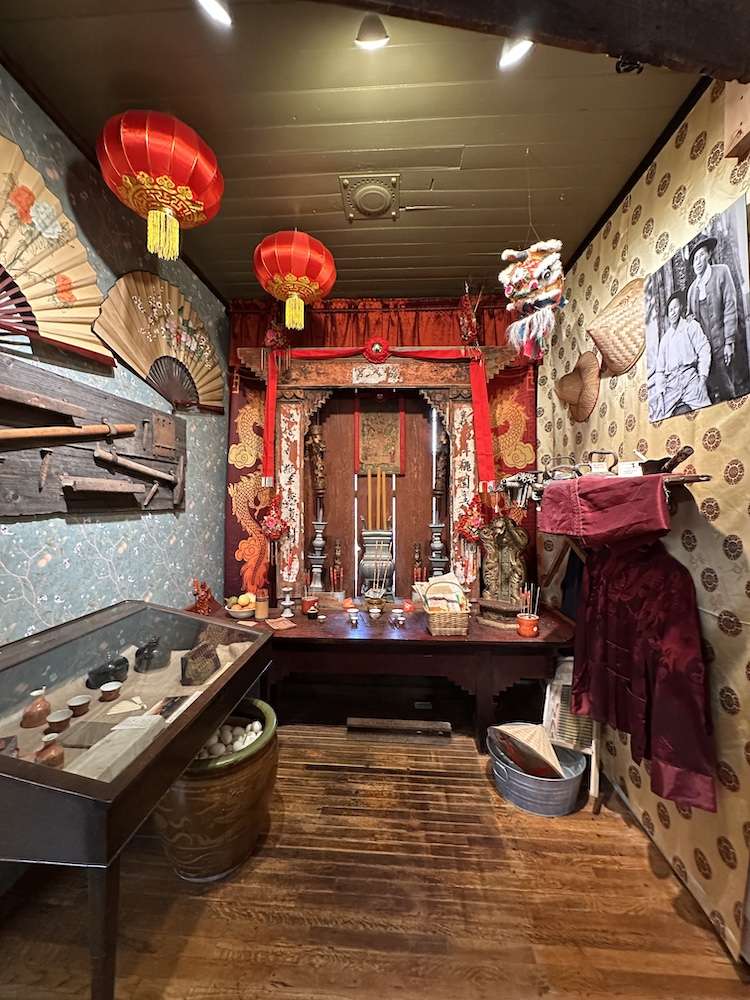
A dedicated exhibit honors the early Chinese community, who were numerous enough to support a laundry, a store, and their own cemetery. Additional exhibits explore textiles, cloth, and the common trades and professions of the era.
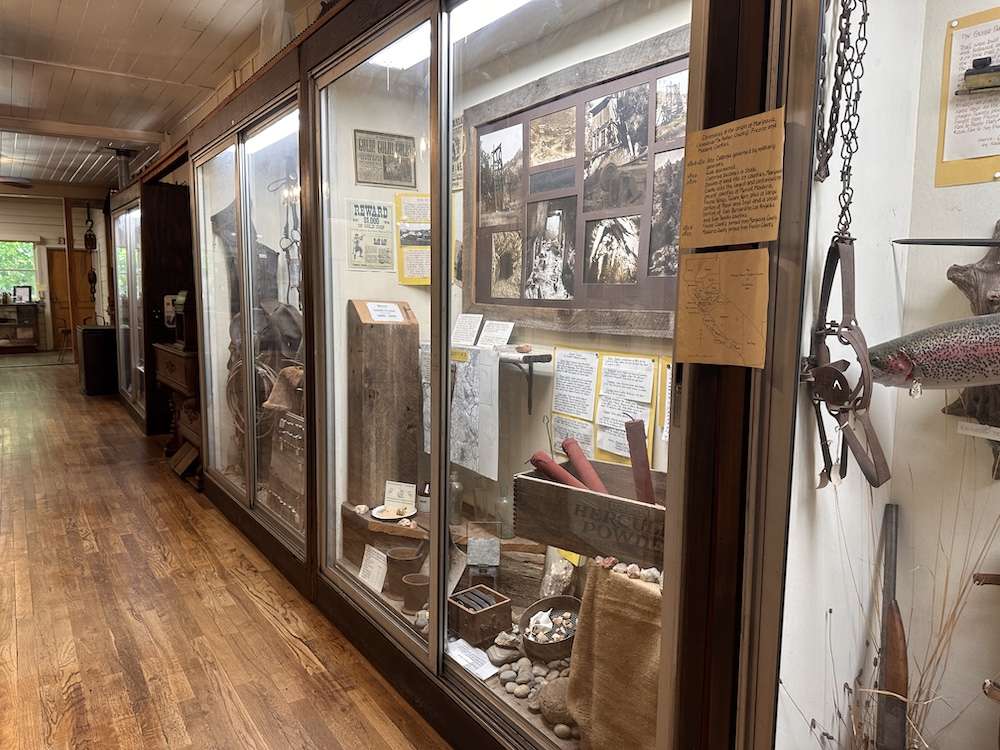
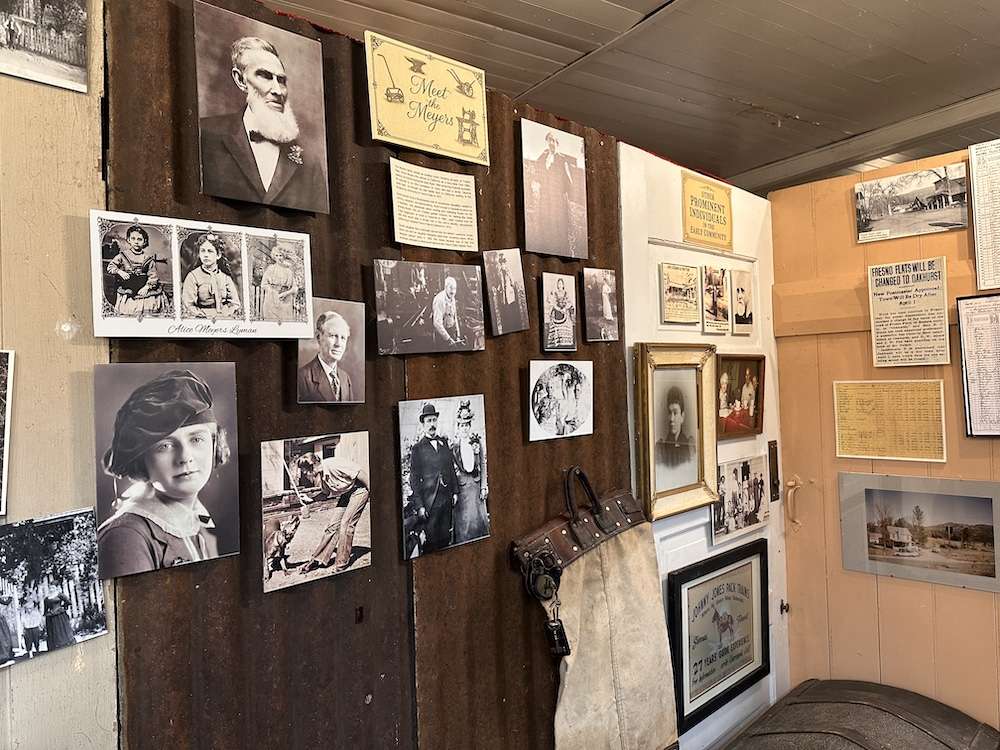
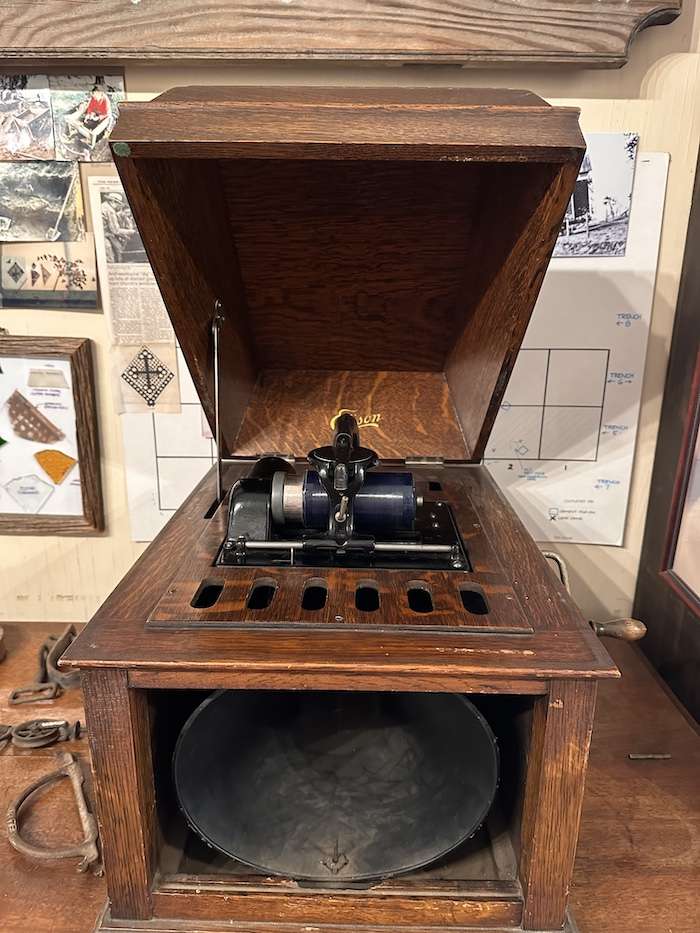
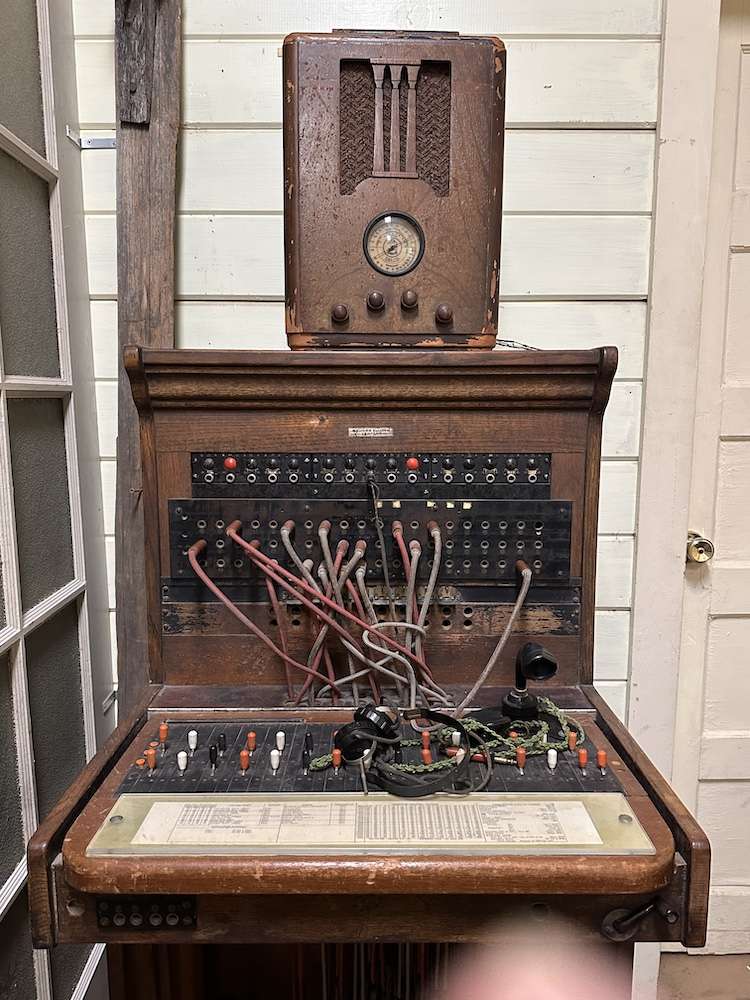
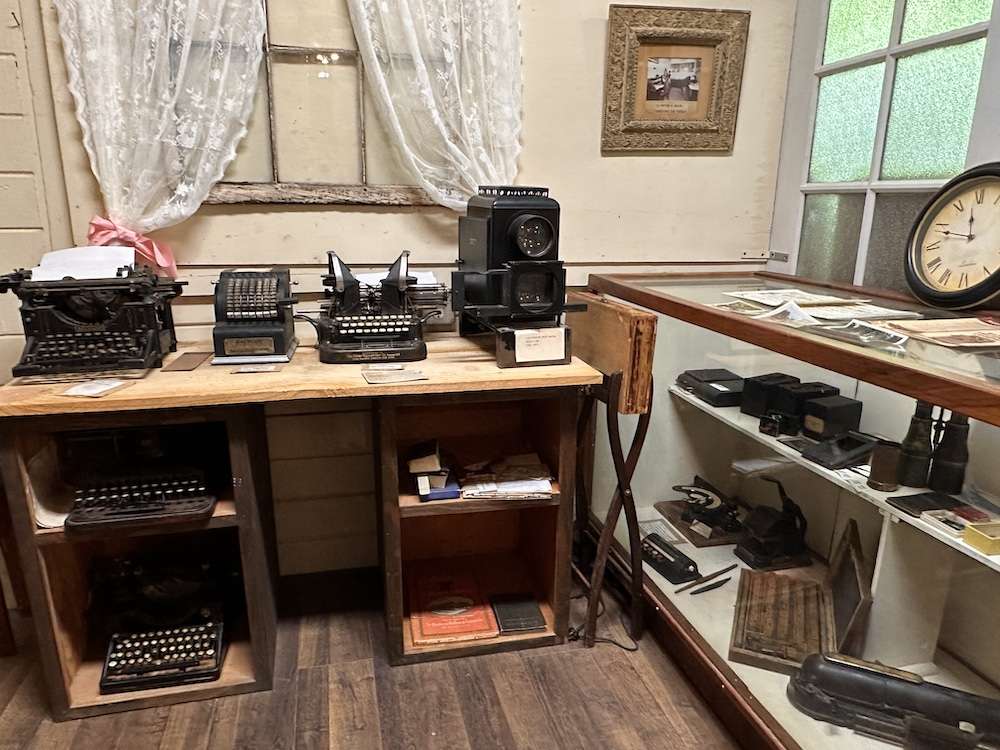
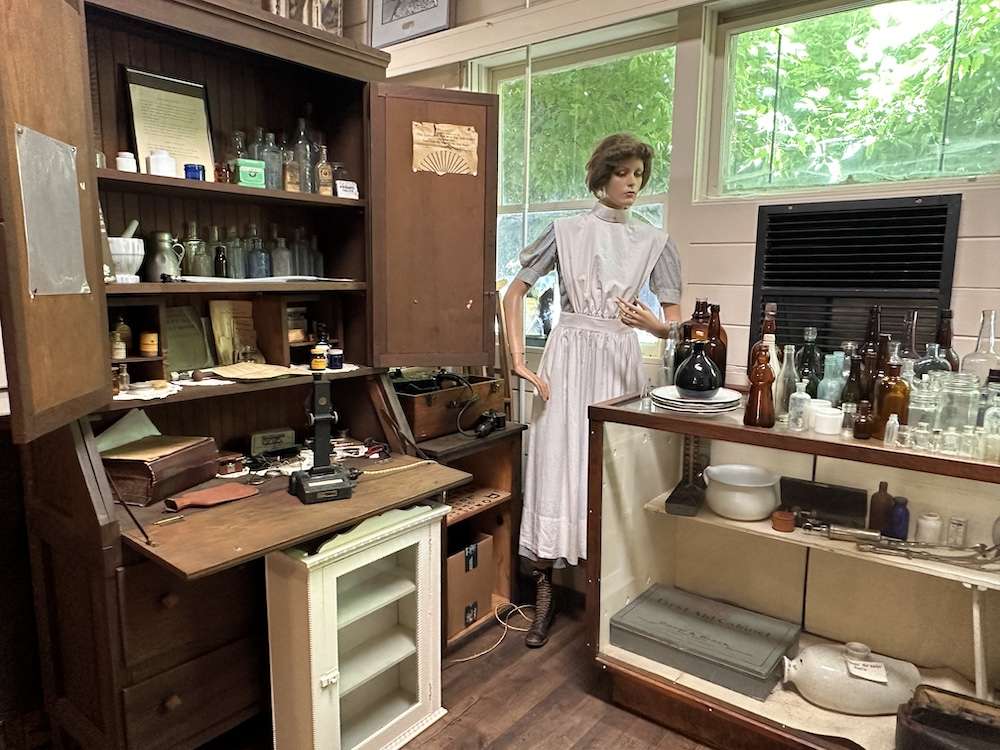
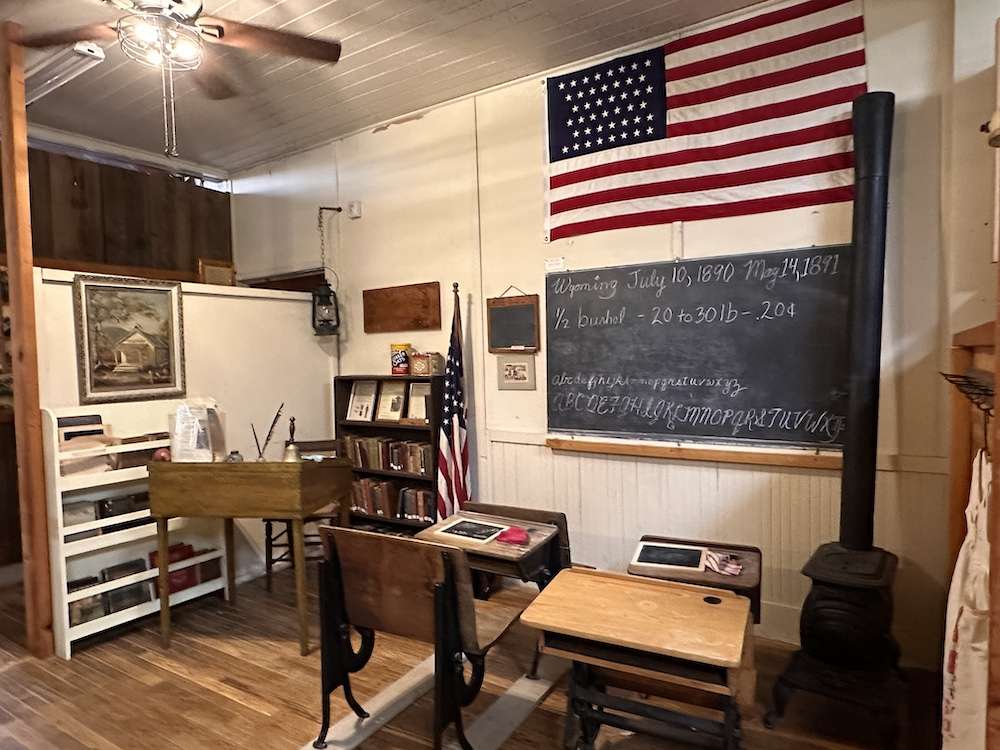
Fresno Flats museum is set apart with its authentic artifacts and extraordinary depth of the history behind them. Our archives include the personal journal of local resident David Meyers, who chronicled the daily rhythms of town life. We have the ledger from the local general store, telling us who was shopping and what they were buying. We have court records documenting marriages, as well as the crimes of the era. And we have the original jail where the accused were held, still standing on our grounds. We also feature a replica of the one-room schoolhouse where the children of early settlers received their education.
Knowledgeable docents are on hand to bring these stories to life, and video presentations throughout the museum add yet another layer to this remarkably complete portrait of 19th-century life in the Yosemite area.